
Ladle hot repair material - slag line ---- extend ladle life
2025-07-10
The steel ladle is an important container for holding and transporting high-temperature molten steel. Its lining endures high temperatures, thermal shock, molten steel erosion, and slag erosion for extended periods. The ladle lining uses refractory materials such as magnesia-carbon bricks and magnesia-aluminum-carbon bricks. Under long-term erosion and corrosion by molten steel and slag, the damage to the steel-facing or slag-turning surface of the ladle lining is inconsistent with other parts, affecting the overall service life of the ladle. When the steel-facing or slag-turning surface of the ladle lining is eroded and thinned by molten steel or slag, or when pitting or channeling occurs, brick patching is required. This is labor-intensive, and the connection between the new and old parts is often poor, easily leading to steel leakage accidents.
Steel Ladle Hot Repair Material Used for repairing weak areas of the steel ladle lining, typically during the replacement of breathable bricks or mid-repair slag line replacement. This repair material is easy to use and operate, and has high refractoriness, excellent erosion resistance, and good corrosion resistance. Steel ladle hot repair material is a key material technology in the iron and steel industry used for the protection and repair of steel ladle linings, aiming to improve the service life of steel ladles and reduce refractory material consumption. The coating technology, through manual repair of defective areas, forms a dense protective layer, significantly extending the life of the lining.
Steel ladle hot repair material uses white fused alumina, high-purity magnesia, and alumina fine powder as its main raw materials, with a cement binder. It features non-shedding during use, strong erosion resistance, good corrosion resistance, and a long service life. Through optimized particle size distribution, this repair material can be uniformly filled into gaps without vibration. The coated steel ladle wall is shown in Figure 1.
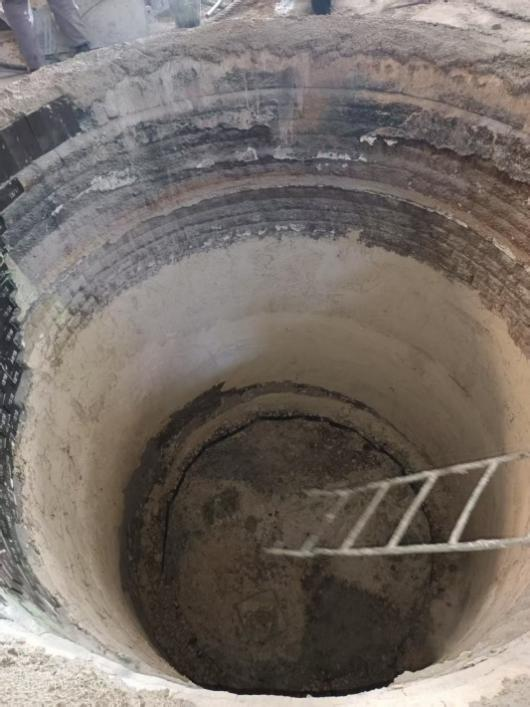
The optimal coating thickness of this repair material is approximately 20-30 mm. If the coating is too thick, incomplete sintering may occur during use, leading to shedding; if the coating is too thin, the effect of improving the service life of the ladle wall bricks is not significant. A single application of this coating material can extend the ladle life by 15-25 heats, significantly reducing the frequency of ladle maintenance and inspection, and lowering refractory material consumption by more than 20%. Application tests were conducted on a 120-ton refining ladle at a certain steel plant. Before using the coating material, the service life of the ladle wall bricks was approximately 160 heats; after applying the coating once during minor and medium repairs, the service life of the ladle wall bricks increased to 210 heats.
This repair material solves, to a certain extent, problems such as severe local erosion, pitting, and cracks in the ladle lining that are difficult to repair. It improves the service life of the ladle lining, reduces the frequency of early mid-repairs due to severe local lining erosion, stabilizes the service life of the ladle, and is of great significance to energy saving and consumption reduction for steel ladles.
Feedback
Leave a message now, and we will arrange for a specialist to contact you as soon as possible.

HENAN SINO INDUSTRIAL REFRACTORY NEW MATERIAL CO. LTD
Factory Address:
Mazhai, Zhengzhou, China
Nanlou, Dashiqiao, China
Xinmi, Zhengzhou, China
Samut Sakhon, Thailand
Klang ,Malaysia


Copyright © Henan Sino Industrial Refractory New Material Co. Ltd
Privacy Agreement Supports IPV6 SEO